
The Role of Dog Bathing in Preventing Infections

April 16, 2026

How Regular Hygiene Helps Stop Skin and Ear Problems Before They Start

Dog Bathing plays a big role in preventing infections by removing dirt, bacteria, yeast, and allergens from your dog’s skin and coat. When a dog stays clean, the skin can breathe and heal. Regular baths also help you spot small issues before they turn into painful infections. A simple routine can lower the risk of itchy skin, hot spots, and ear problems.

Why Prevention Matters

Dogs explore the world with their paws and noses. They roll in grass, dig in dirt, and splash in puddles. All of that fun can leave germs trapped in their fur. If not cleaned off, those germs can grow and cause skin infections.


Some breeds have thick coats or skin folds. These areas trap moisture. Moisture creates the perfect place for bacteria and yeast to grow. Regular dog bathing keeps those areas clean and dry.


Preventing infection is much easier than treating one. Skin infections can lead to hair loss, sores, and strong odors. In worse cases, dogs may need medicine from a vet.

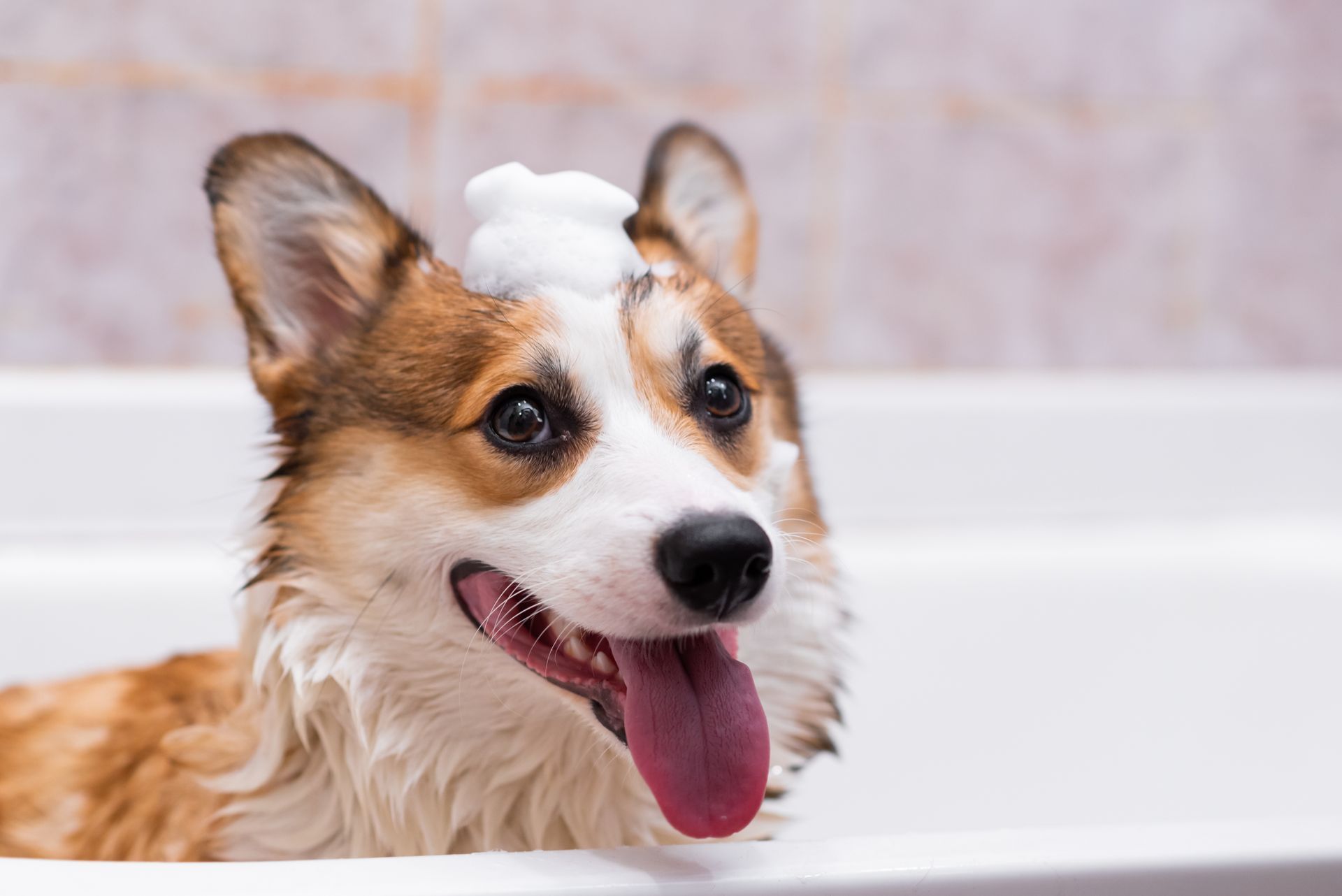
Wet corgi in a bathtub, tongue out with shampoo on its head

Early Warning Signs of Infection

Bath time is a great chance to check your dog from head to tail. Catching early signs can save your dog from pain.


  • Red or pink skin
  • Constant scratching or licking
  • Bad smell from the coat or ears
  • Scabs or moist sores
  • Hair thinning in small patches
  • Dark discharge inside the ears


If you notice any of these signs, your dog may be starting to develop an infection. Washing gently with the right shampoo can help, but deeper infections may need professional care.

Simple Routine Checklist

A steady routine makes dog bathing more effective. The goal is not to over-bathe, but to keep a healthy balance.


  • Brush your dog before the bath to remove loose fur.
  • Use lukewarm water, never hot water.
  • Choose a shampoo made for dogs with the right pH level.
  • Focus on paws, belly, and skin folds.
  • Rinse very well to remove soap residue.
  • Dry completely, especially ears and folds.


Most dogs do well with a bath every four to six weeks. Active dogs may need it more often. Dogs with skin issues may need a special schedule recommended by a groomer or vet.

Best Practices for Long-Term Results

Using the right technique matters just as much as the soap you choose. Gentle handling keeps the skin calm and avoids irritation.


Always dry your dog fully after bathing. Damp fur can trap moisture against the skin. Pay close attention to:


  • Between toes
  • Under the collar area
  • Armpits and groin
  • Under heavy ear flaps


Clean ears with a dog-safe ear cleaner if your pet is prone to ear infections. Dirt and wax buildup often lead to pain and swelling. Trimming excess fur around paw pads can also reduce trapped bacteria.


A healthy diet supports skin health too. Good nutrition helps the immune system fight off germs.

What Not to Do

Too much washing can strip natural oils from the skin. This can lead to dryness and cracks. Cracked skin makes infection more likely.


Do not use human shampoo. It can upset the skin balance and cause irritation. Avoid harsh scrubbing. Rough handling may create small cuts that bacteria can enter.


Never leave soap residue on the coat. Leftover product can cause itching and redness within days.

When to Schedule Professional Help

Some infections need more than home care. If your dog has open sores, thick discharge, or strong odor that does not improve, it is time for expert support.


Professional groomers can spot early skin changes that pet owners may miss. They also use high-quality drying tools that remove hidden moisture deep in the coat. Dogs with heavy undercoats or skin folds benefit from skilled handling.


If infections keep coming back, your dog may need medicated baths or advice from a vet. Working with professionals can break the cycle before it worsens.

Protect Your Dog’s Health With a Consistent Plan

Staying ahead of infections keeps your dog comfortable and active. In Las Vegas, NV, changing weather and outdoor play can increase skin issues throughout the year. At Pawsh Wash Pet Grooming, we provide careful dog bathing services designed to support healthy skin and coats. If your dog needs help staying clean and infection-free, call us at (702) 731-5678 to schedule an appointment and let us keep your pet feeling their best.

Recent Posts

Dog Teeth Cleaning Signs That Indicate Immediate Care
April 19, 2026
If your dog has very bad breath, bleeding gums, loose teeth, or trouble eating, it may need help right away. These are not small issues. They can point to pain, infection, or serious dental disease.
Brown-and-white dog holding a pink and blue toothbrush in its mouth against a light blue background
April 18, 2026
Regular Dog Teeth Cleaning supports overall health by stopping bacteria from spreading through your dog’s body.
Brown dog being washed with shampoo in a bathtub by a person’s hands
April 17, 2026
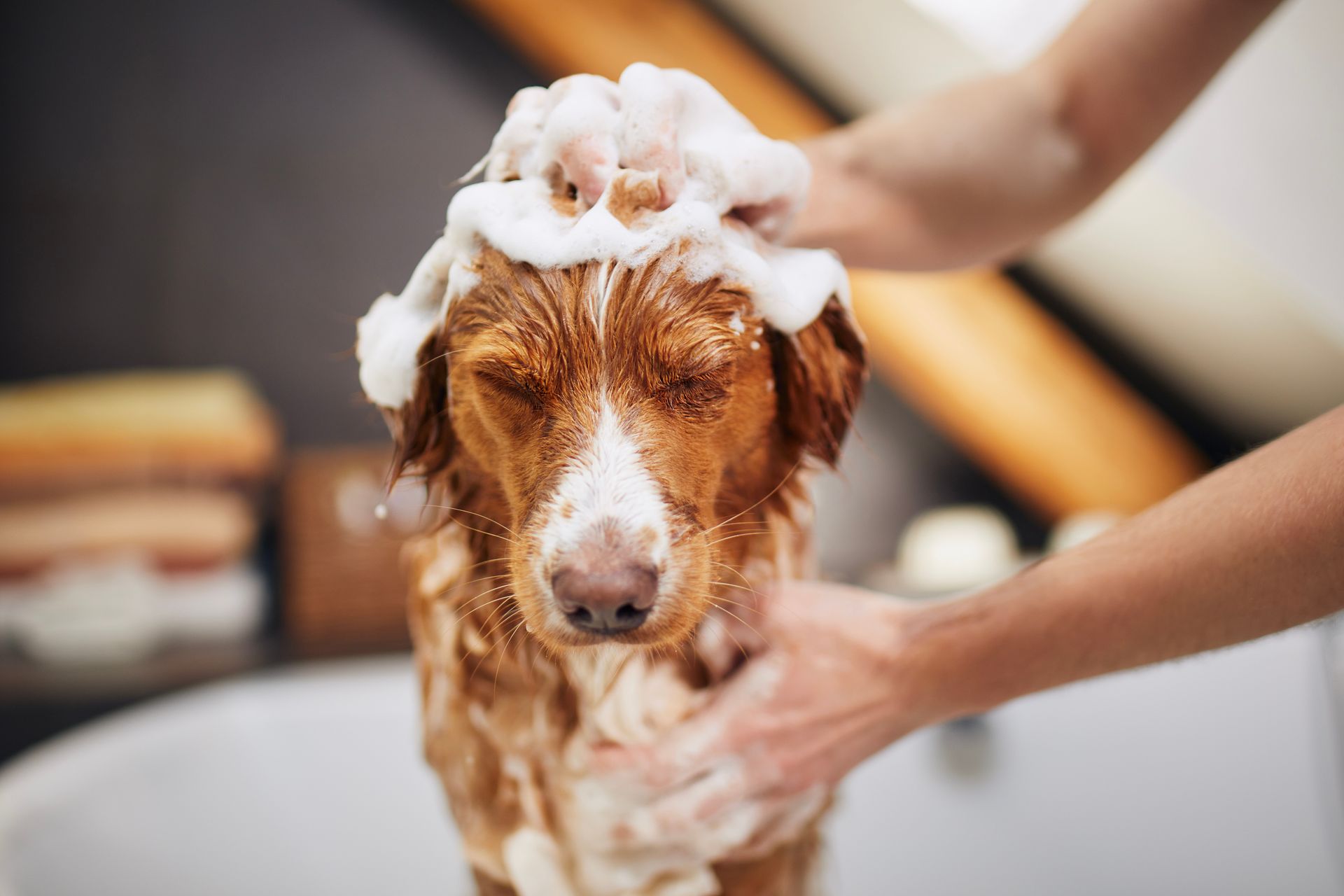
The most common mistakes when bathing your dog include using the wrong shampoo, skipping brushing, using water that is too hot or cold, and not rinsing well.
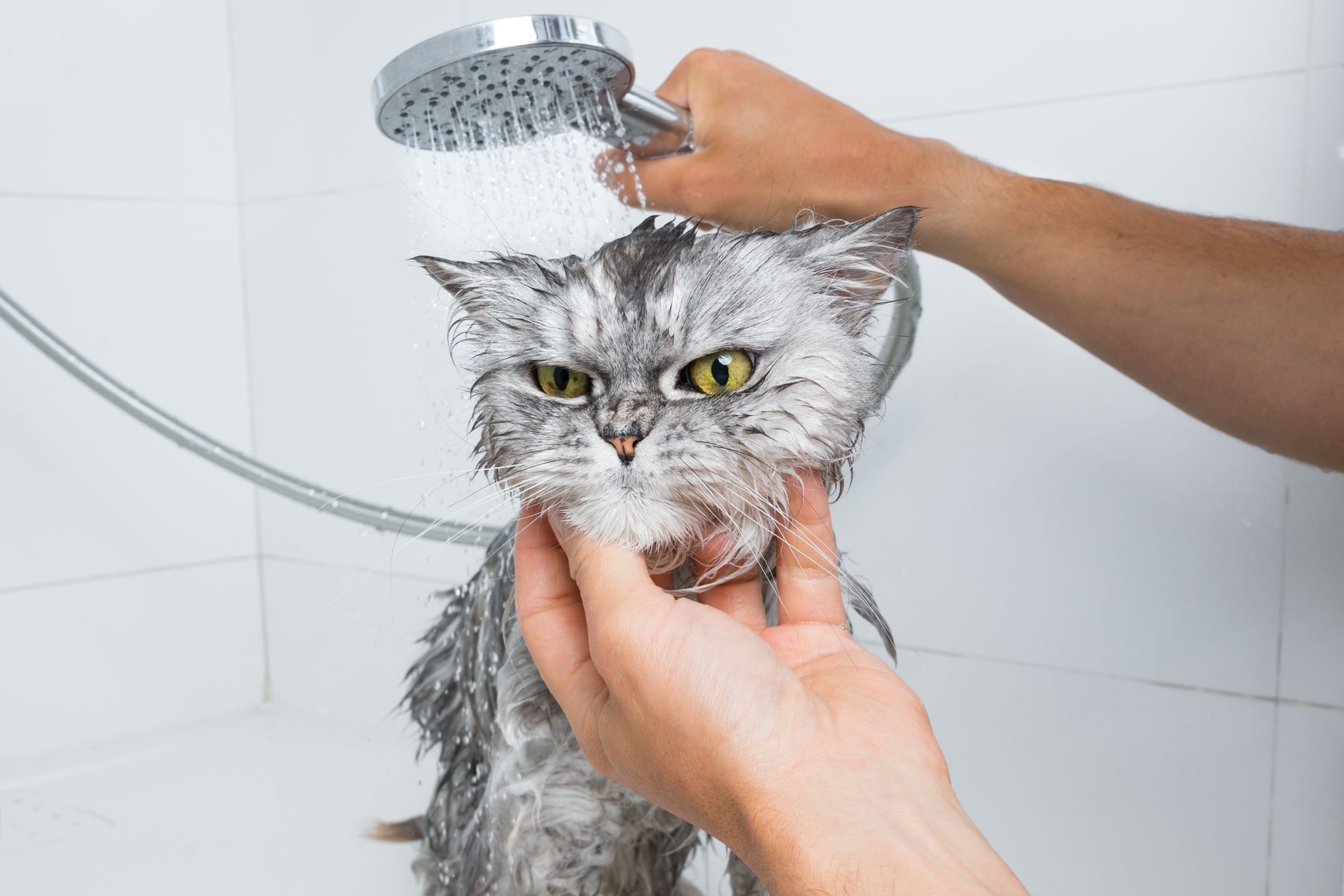
Gray cat being bathed in a shower, held by hands under running water
April 15, 2026
If you are bathing your cat for the first time, keep it simple and stay calm. Use warm water, a gentle pet shampoo, and move slowly.
Gray cat wrapped in a blue towel, wearing a pink shower cap on a white background
April 14, 2026
The best way to prepare your cat for a grooming visit is to keep them calm, brush them ahead of time, trim sharp nails if you can, and get them used to water and handling before the appointment.
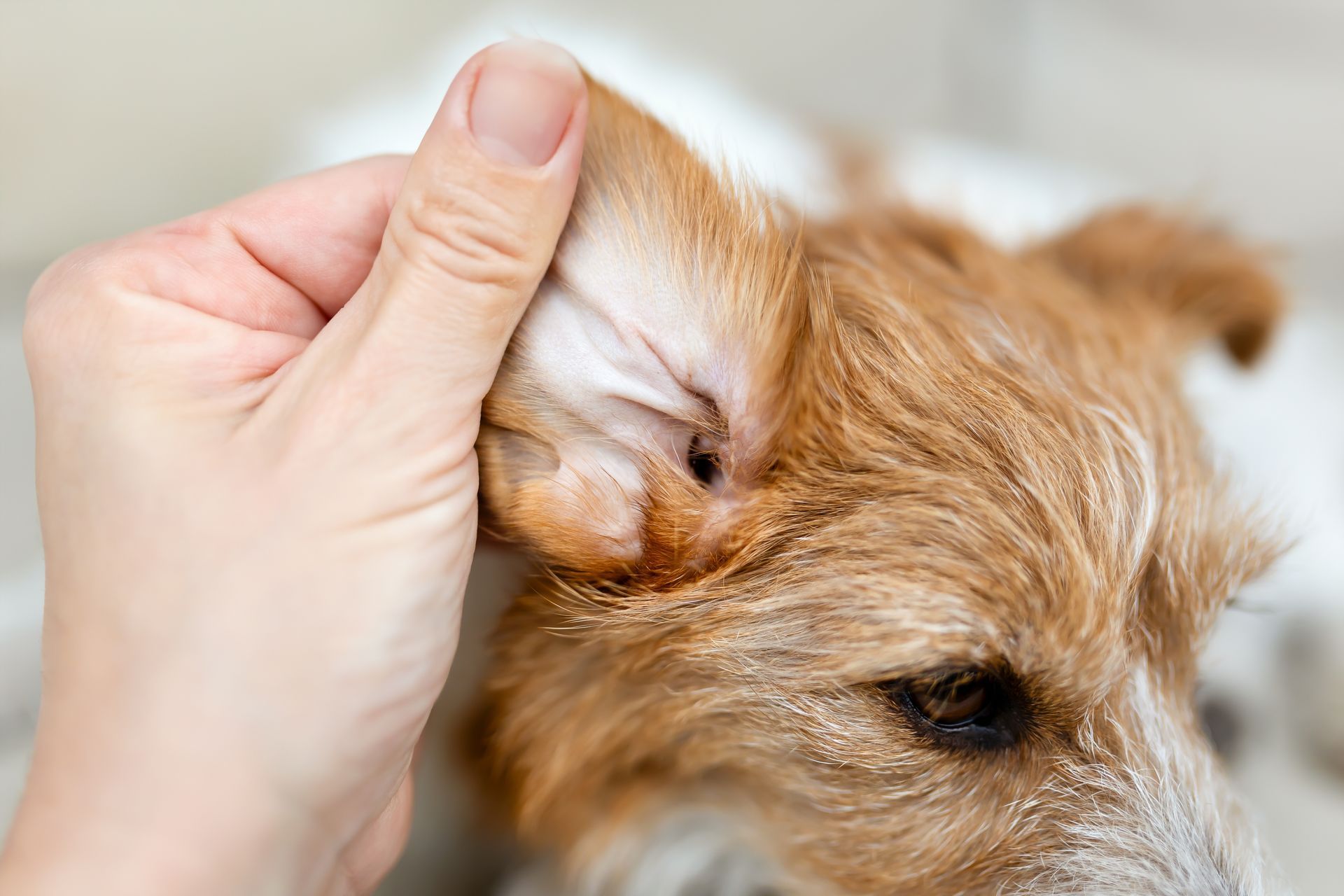
Hand gently scratching a small brown-and-white puppy behind the ear
April 13, 2026
Regular ear cleaning helps stop infections, itching, and painful swelling before they become serious problems.
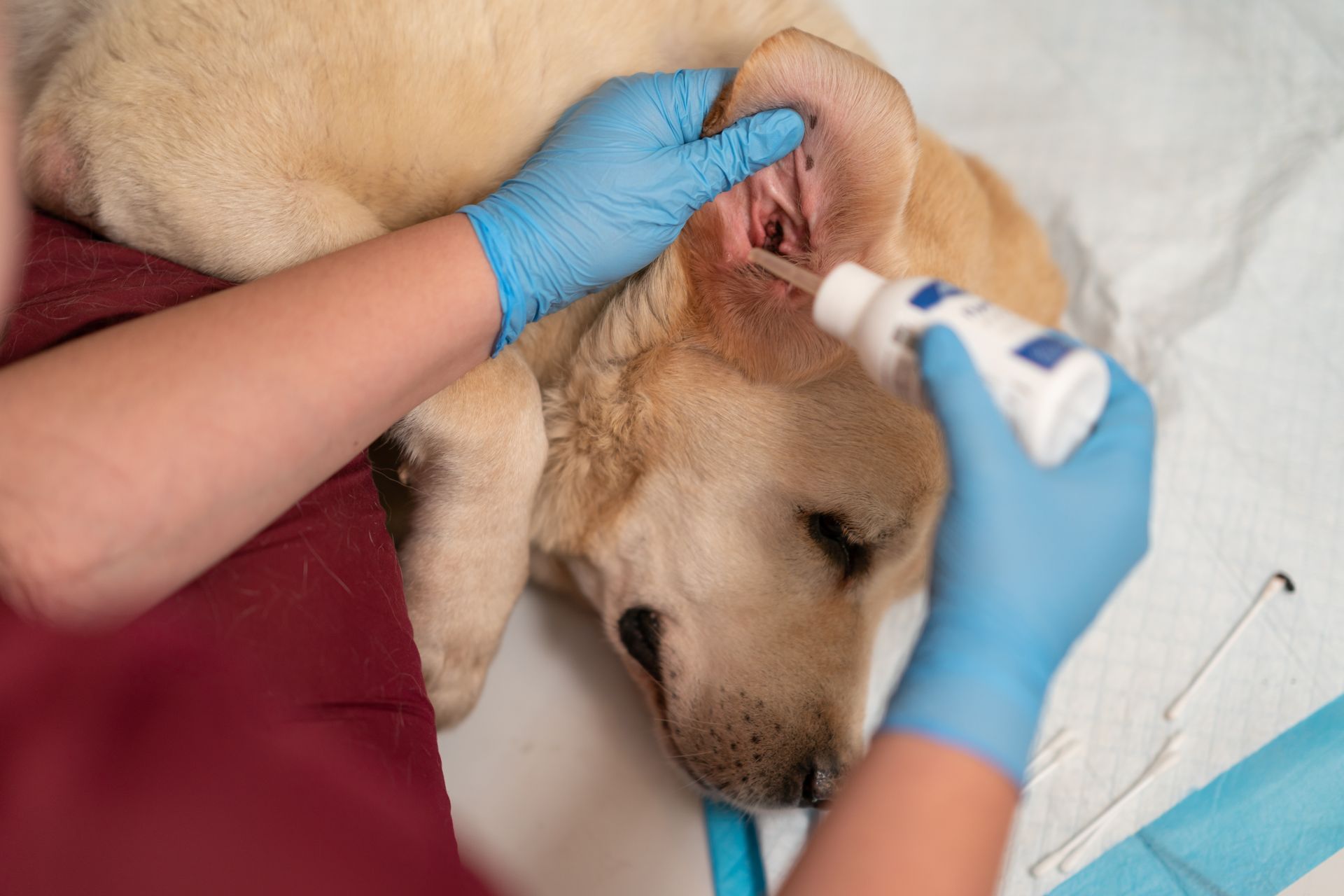
Benefits of Routine Groomer Visits for Dog Ear Health
April 12, 2026
Routine groomer visits play a big role in keeping your dog’s ears healthy.
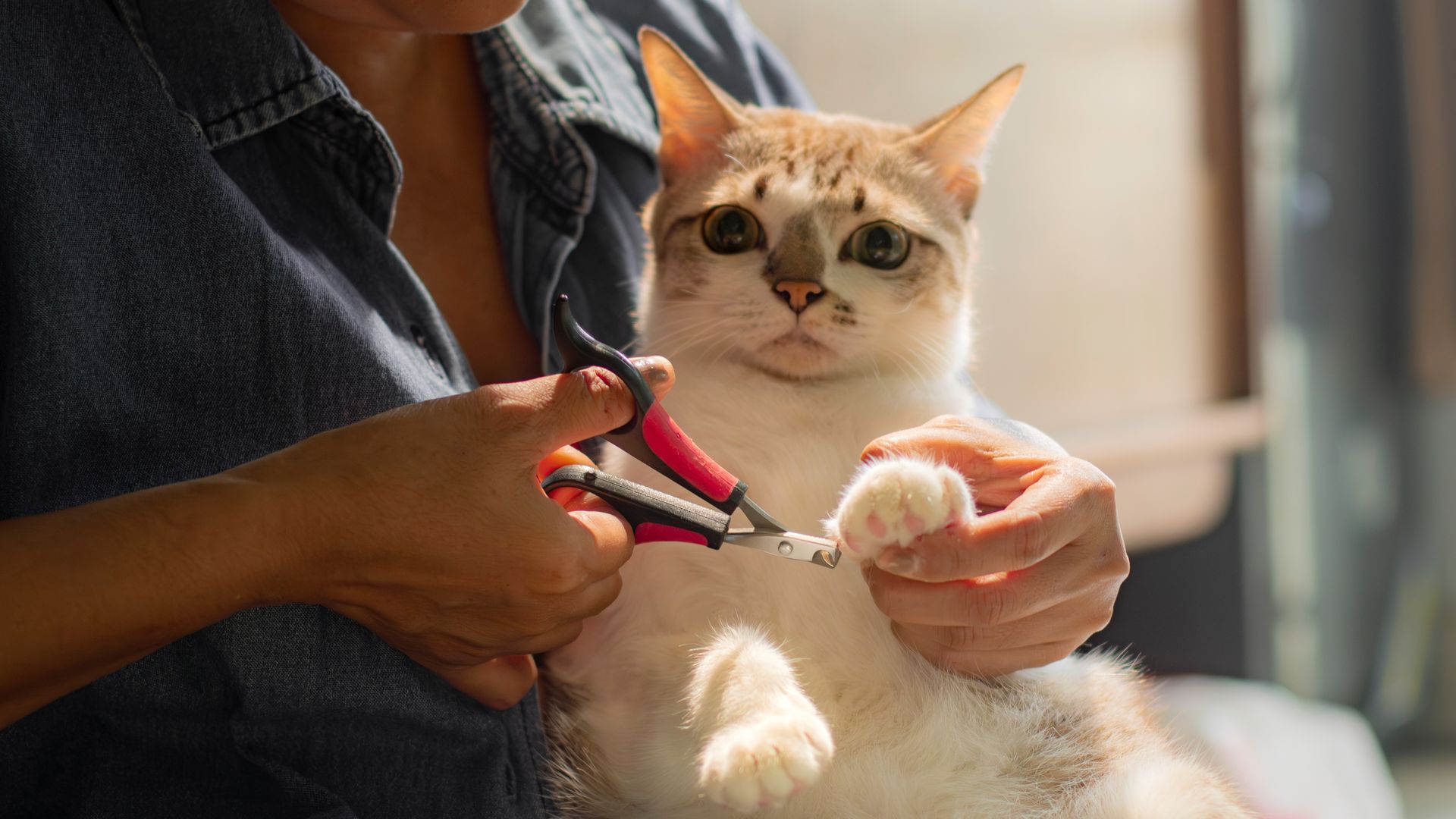
When to Trim Your Cat’s Nails for Optimal Comfort
April 11, 2026
You should trim your cat’s nails every 2 to 4 weeks for most indoor cats. Some cats need trims more often.
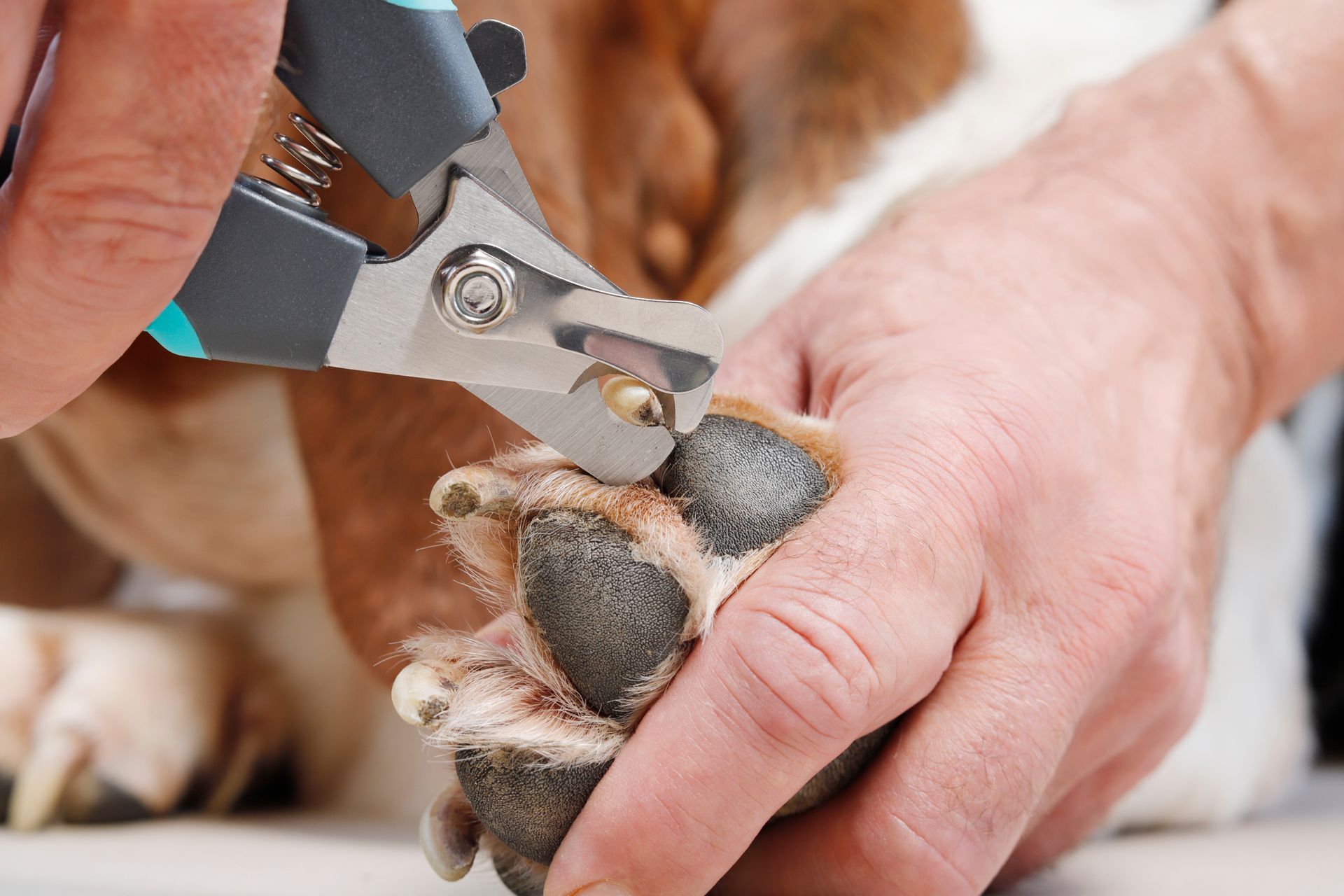
Veterinarian trimming a dog’s paw nails with clippers
April 9, 2026
Regular nail trims help indoor cats stay comfortable and prevent damage to your home and skin.
Small tan dog in a blue bandana standing on a white table, with a smiling woman behind it in a bright room
April 8, 2026
If your puppy seems to leave fur on every couch and shirt, you are not alone.
Show More