
Benefits of Routine Groomer Visits for Dog Ear Health

April 12, 2026

How Regular Ear Care Helps Prevent Infections, Odor, and Long-Term Damage

Routine groomer visits play a big role in keeping your dog’s ears healthy. Regular ear checks and cleanings help prevent infections, reduce odor, and stop small problems before they turn into painful issues. When done on a steady schedule, professional care supports better comfort and hearing for your dog.

Why Prevention Matters for Your Dog’s Ears

Your dog’s ears are warm and can trap moisture. That makes them a perfect spot for yeast and bacteria to grow. Dogs with floppy ears or thick hair inside the ear canal are at even higher risk. Without routine dog ear cleaning, wax and debris build up fast.


Small problems can turn serious if ignored. An untreated infection can lead to pain, swelling, and even hearing loss. Some dogs shake their heads so hard they cause blood vessels in the ear flap to break. Regular visits to a groomer help catch these problems early.

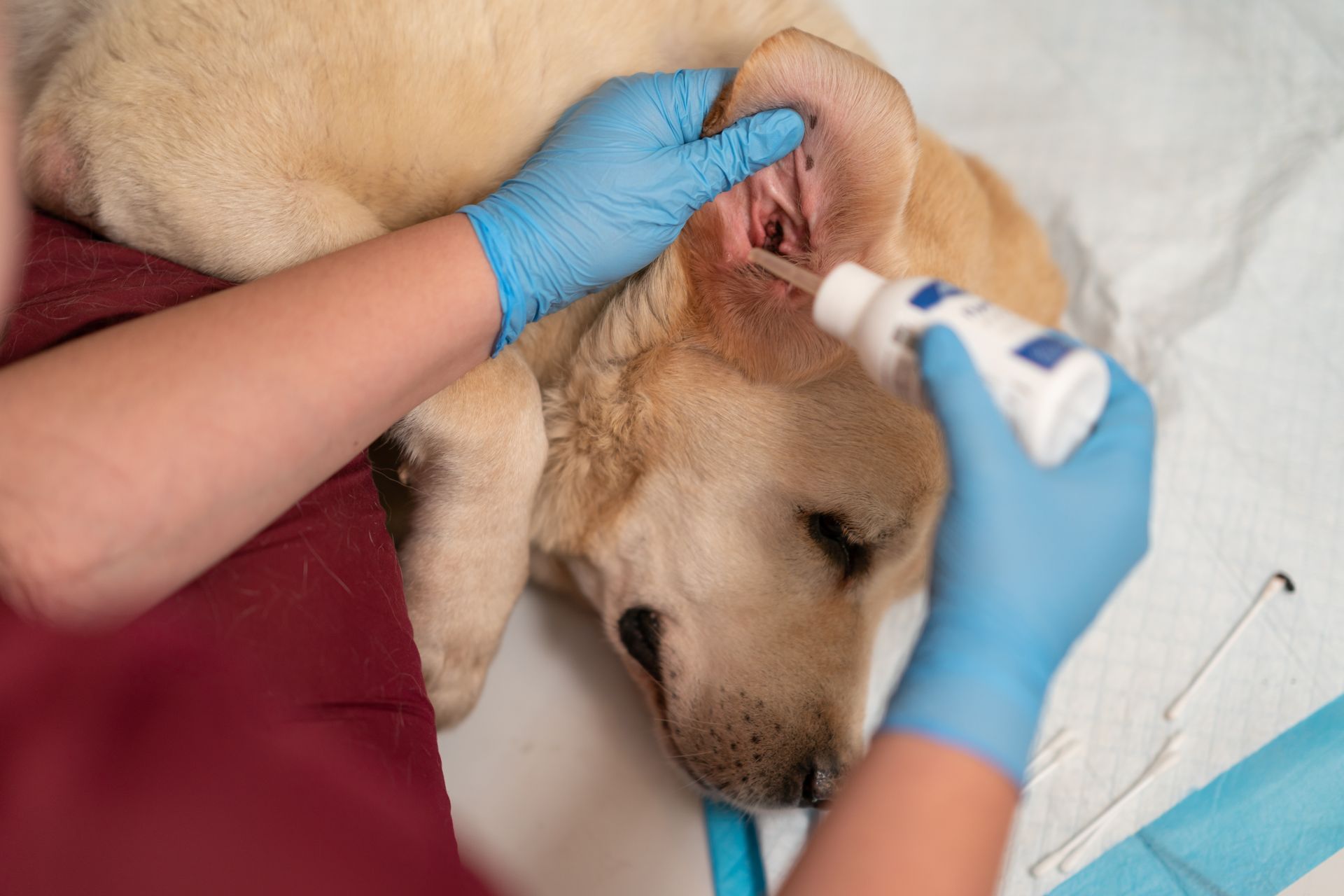
Veterinarian cleaning a golden retriever’s ear with gloved hands and a medical swab

Early Warning Signs You Should Not Ignore

Many ear issues start with mild symptoms. They may seem small at first, but they can grow quickly.


  • Frequent head shaking
  • Scratching at one or both ears
  • Redness inside the ear flap
  • Strong or musty odor
  • Dark brown or yellow discharge
  • Sensitivity when touched


If you notice any of these signs, your dog may need more than basic grooming. A groomer can spot changes early and let you know if a vet visit is needed.

Routine Ear Care Checklist

A steady schedule makes all the difference. During a grooming appointment, ear care is usually part of the grooming service. Here is what routine care often includes:


  1. Visual inspection of the outer ear and canal
  2. Gentle removal of loose hair around the ear opening
  3. Safe dog ear cleaning with a pet-friendly solution
  4. Careful drying to prevent trapped moisture
  5. Report of any redness, odor, or swelling


How often should this happen? Most dogs benefit from ear checks every 4 to 8 weeks. Dogs that swim often or have chronic ear issues may need more frequent attention.

Best Practices for Long-Term Ear Health

Routine groomer visits are just one part of prevention. You can also support your dog’s ear health at home.


  • Dry ears well after baths or swimming
  • Use only vet-approved ear solutions
  • Keep hair around the ears trimmed
  • Check ears weekly for odor or redness
  • Feed a balanced diet to support immune health


It also helps to build a positive routine. If your dog is used to gentle ear handling from a young age, cleanings are easier and less stressful.

What Not to Do

Some well-meaning owners make mistakes that can harm their dog.


  • Do not use cotton swabs deep inside the ear canal
  • Do not pour alcohol or peroxide into the ear
  • Do not ignore signs of infection
  • Do not over-clean, which can cause irritation


Pushing debris deeper into the ear can make infections worse. Over-cleaning strips natural oils and may lead to dryness and itching. A trained groomer knows how to balance proper cleaning with gentle care.

When to Schedule Professional Help

Routine appointments every month or two are ideal for most dogs. You should schedule a visit sooner if you notice odor, discharge, or behavior changes. Dogs with allergies, floppy ears, or thick coats need close monitoring.


Professional dog ear cleaning is helpful because groomers can see early changes that owners may miss. They work under good lighting and know what healthy ears look like. If something seems off, they can guide you on next steps.


Keeping a steady grooming schedule does more than improve appearance. It protects your dog’s comfort, reduces vet bills, and supports long-term health. Clean ears mean less scratching, better sleep, and a happier pet.

Schedule Routine Ear Care for Your Dog

If your dog is showing signs of dental trouble, do not wait. In Las Vegas, NV, many pets suffer longer than they need to because owners hope the problem will go away on its own. At Pawsh Wash Pet Grooming, we provide gentle and thorough dog teeth cleaning to help stop pain and infection before it gets worse. Call us at (702) 731-5678 to schedule an exam and let us help your dog enjoy a healthier, more comfortable life.

Recent Posts

Dog Teeth Cleaning Signs That Indicate Immediate Care
April 19, 2026
If your dog has very bad breath, bleeding gums, loose teeth, or trouble eating, it may need help right away. These are not small issues. They can point to pain, infection, or serious dental disease.
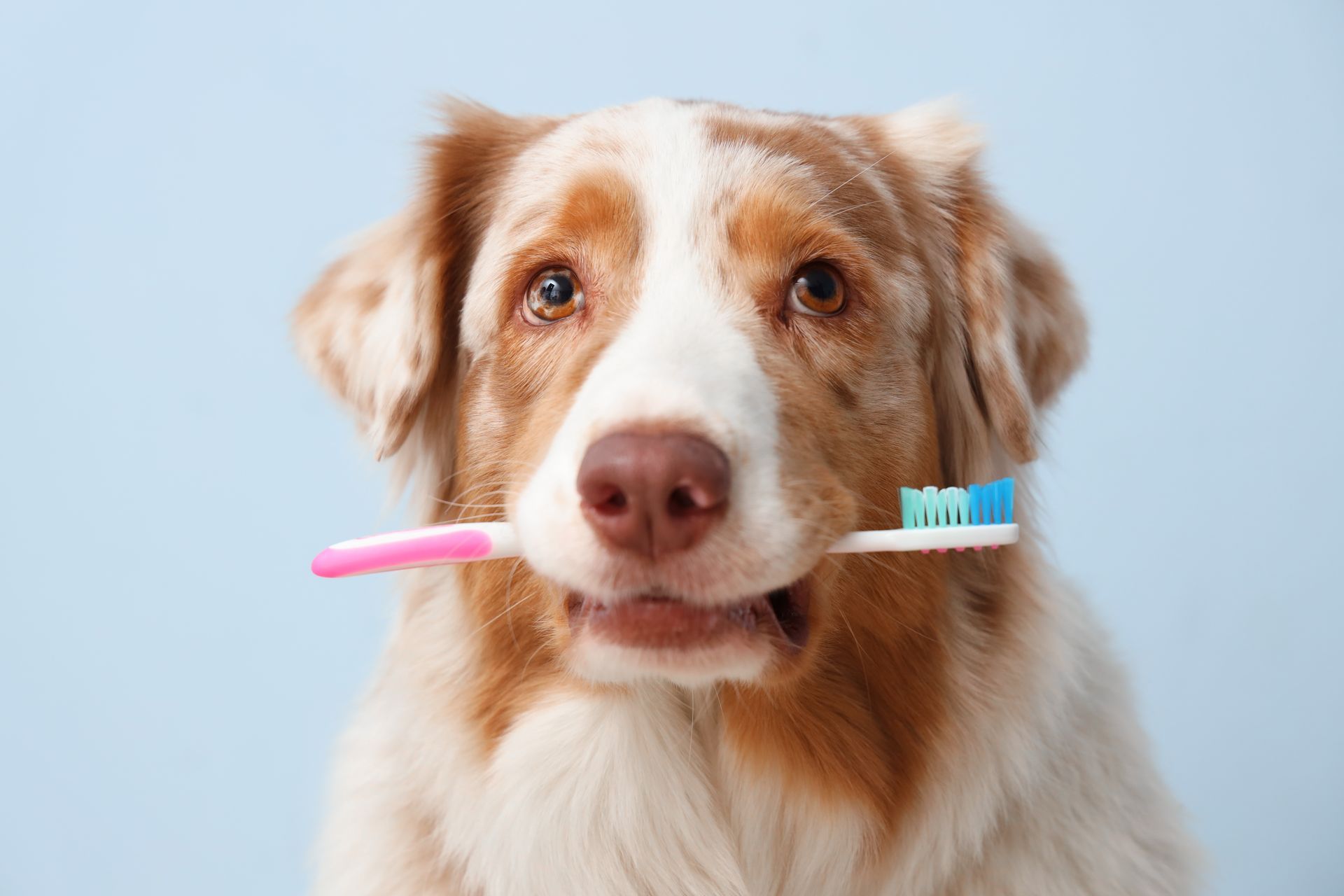
Brown-and-white dog holding a pink and blue toothbrush in its mouth against a light blue background
April 18, 2026
Regular Dog Teeth Cleaning supports overall health by stopping bacteria from spreading through your dog’s body.
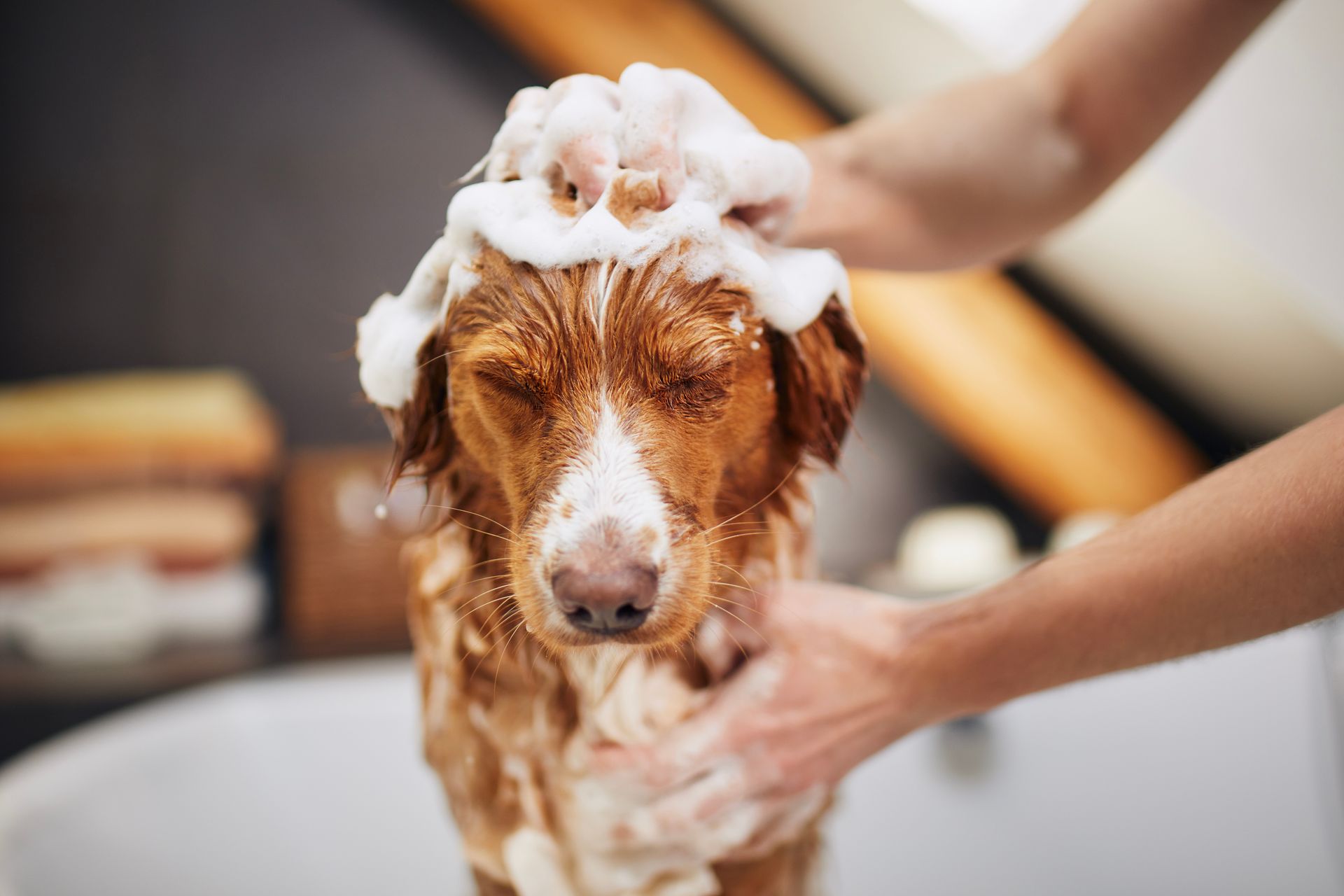
Brown dog being washed with shampoo in a bathtub by a person’s hands
April 17, 2026
The most common mistakes when bathing your dog include using the wrong shampoo, skipping brushing, using water that is too hot or cold, and not rinsing well.
The Role of Dog Bathing in Preventing Infections
April 16, 2026
Dog Bathing plays a big role in preventing infections by removing dirt, bacteria, yeast, and allergens from your dog’s skin and coat.
Gray cat being bathed in a shower, held by hands under running water
April 15, 2026
If you are bathing your cat for the first time, keep it simple and stay calm. Use warm water, a gentle pet shampoo, and move slowly.
Gray cat wrapped in a blue towel, wearing a pink shower cap on a white background
April 14, 2026
The best way to prepare your cat for a grooming visit is to keep them calm, brush them ahead of time, trim sharp nails if you can, and get them used to water and handling before the appointment.
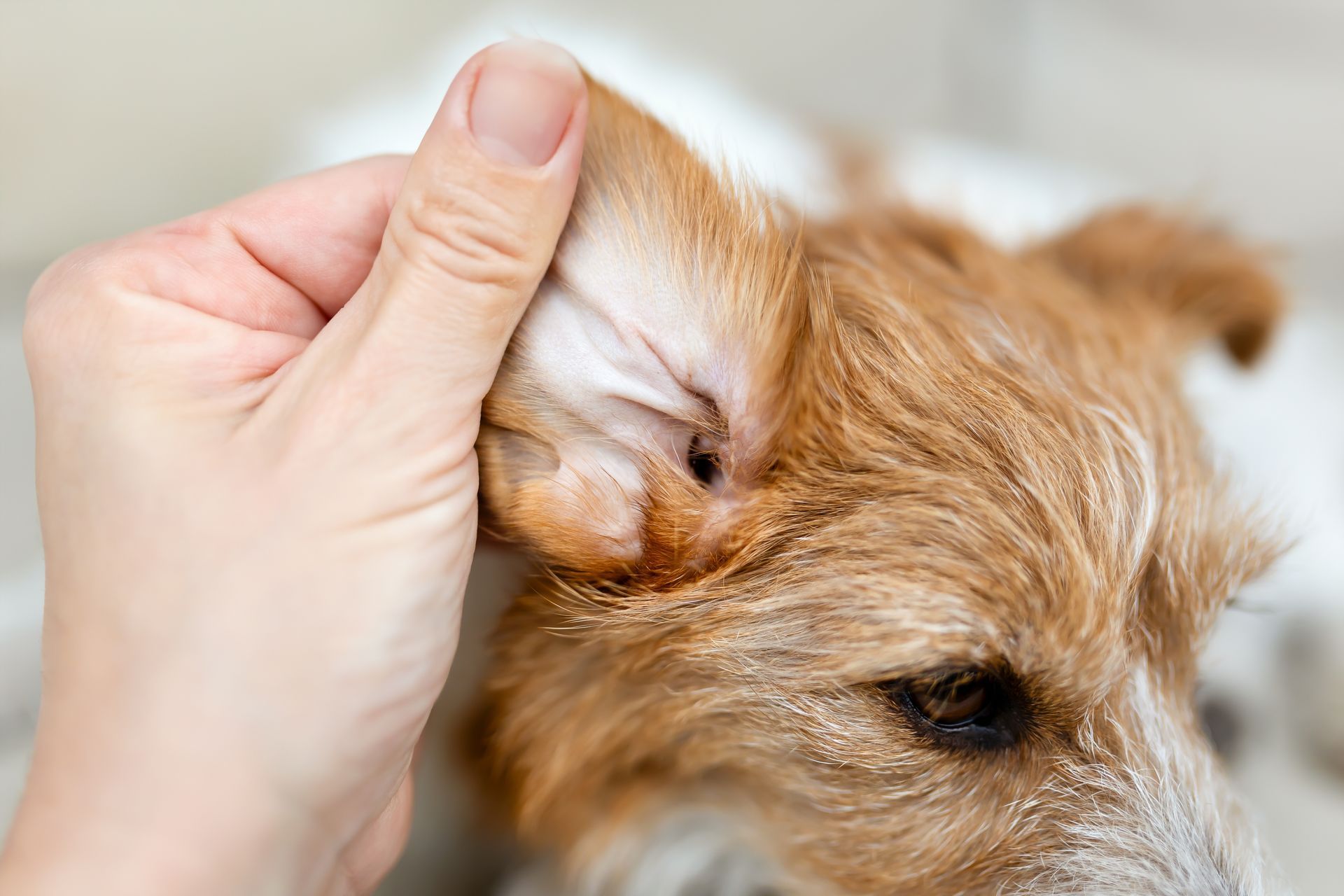
Hand gently scratching a small brown-and-white puppy behind the ear
April 13, 2026
Regular ear cleaning helps stop infections, itching, and painful swelling before they become serious problems.
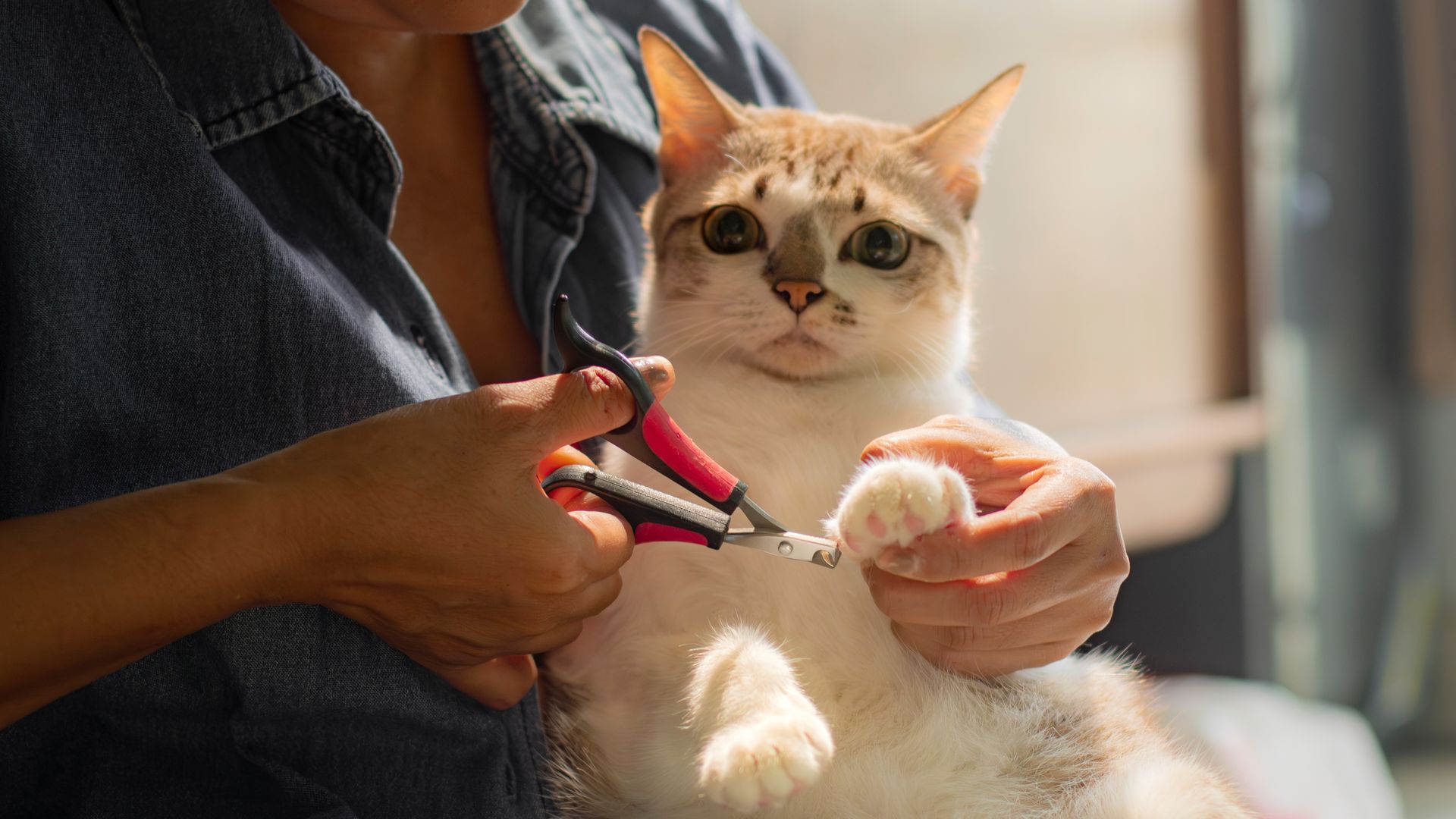
When to Trim Your Cat’s Nails for Optimal Comfort
April 11, 2026
You should trim your cat’s nails every 2 to 4 weeks for most indoor cats. Some cats need trims more often.
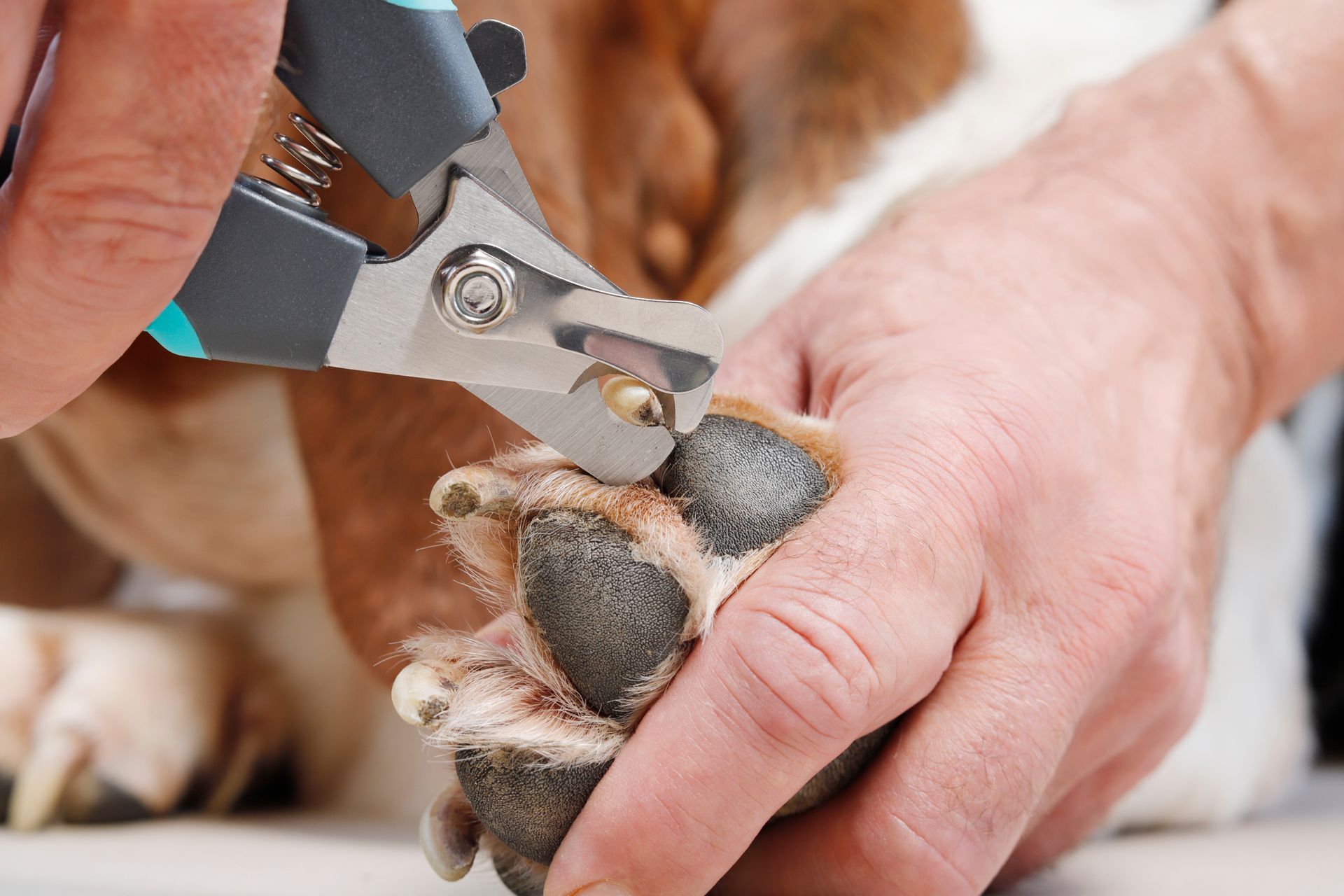
Veterinarian trimming a dog’s paw nails with clippers
April 9, 2026
Regular nail trims help indoor cats stay comfortable and prevent damage to your home and skin.
Small tan dog in a blue bandana standing on a white table, with a smiling woman behind it in a bright room
April 8, 2026
If your puppy seems to leave fur on every couch and shirt, you are not alone.
Show More